


Books of Crown & Quill Archive
Training Guides, Practical Observations and Common Sense
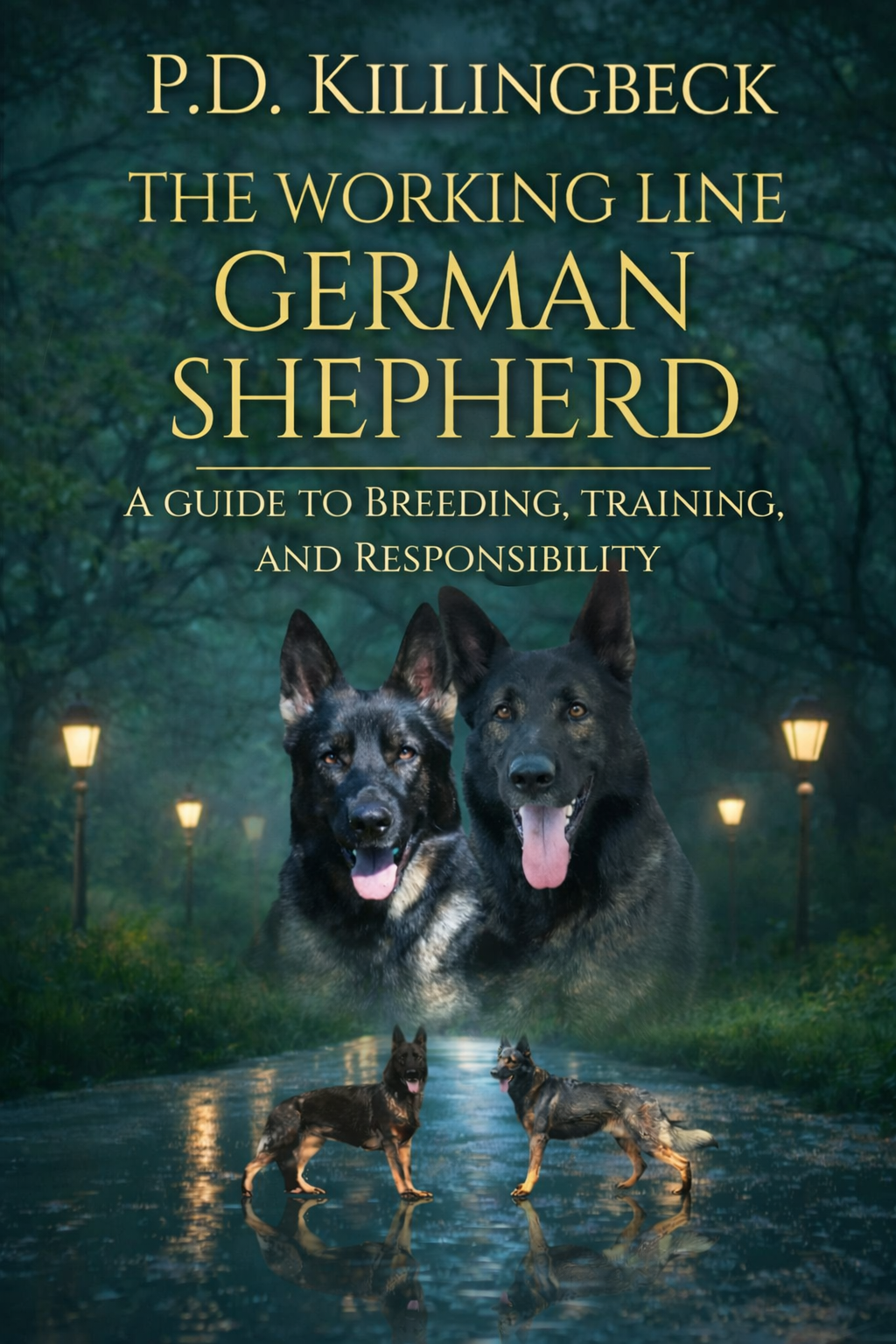
The Working Line German Shepherd
A practical and structured guide to the development, conditioning, and training of the working-line German Shepherd. This volume focuses on drive, structure, discipline, and long-term soundness—providing handlers with clear insight into building a capable, balanced, and reliable working dog.

Historical Writings and Archeological Findings
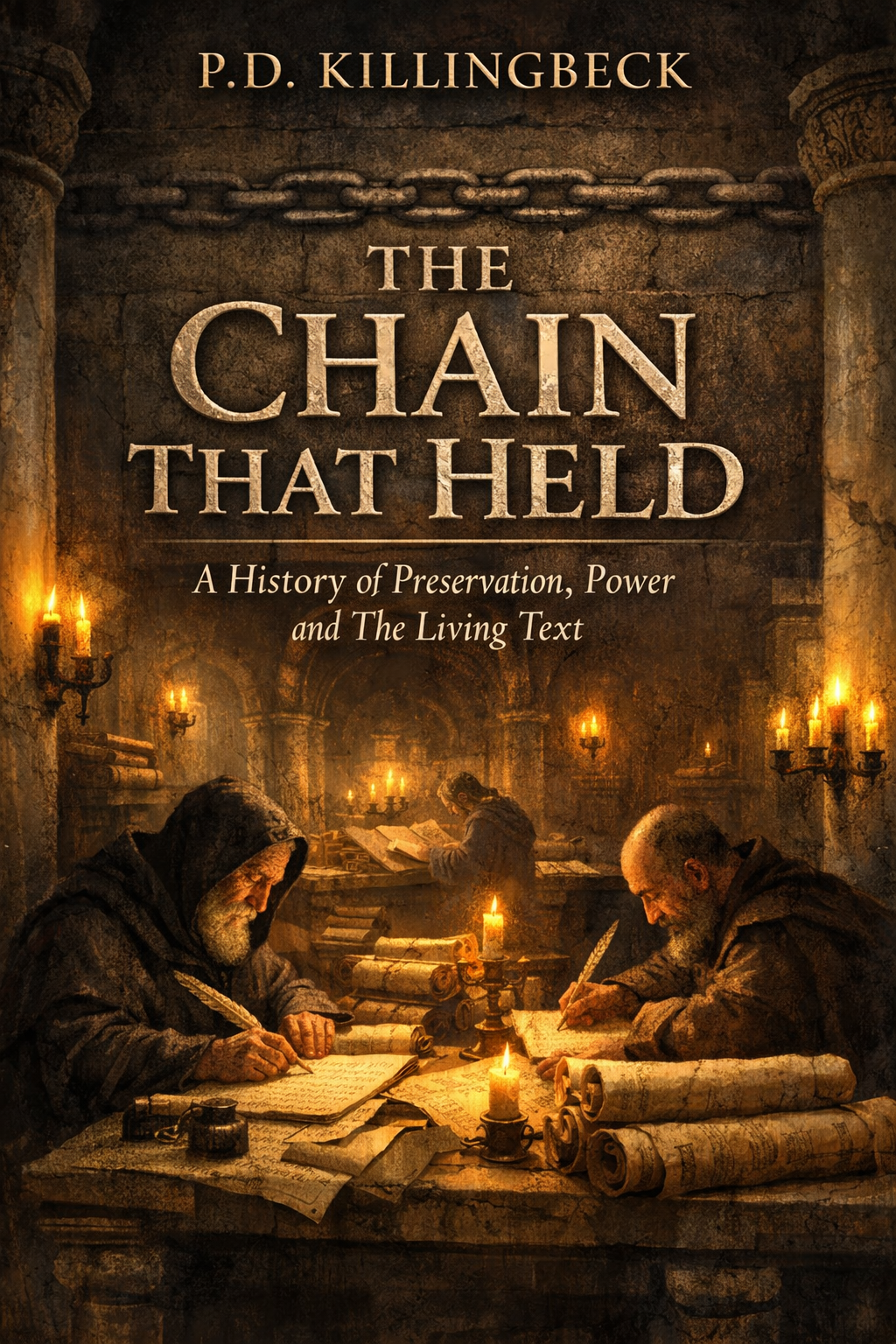
A structured examination of transmission, preservation, and the endurance of written truth across time. This work explores how memory, text, and authority interact through history, shaping continuity and meaning across generations.


Custody Preserved For All explores why truth was entrusted, not scattered. It reflects on preservation, responsibility, and how a chosen people carried revelation forward for the benefit of all generations.

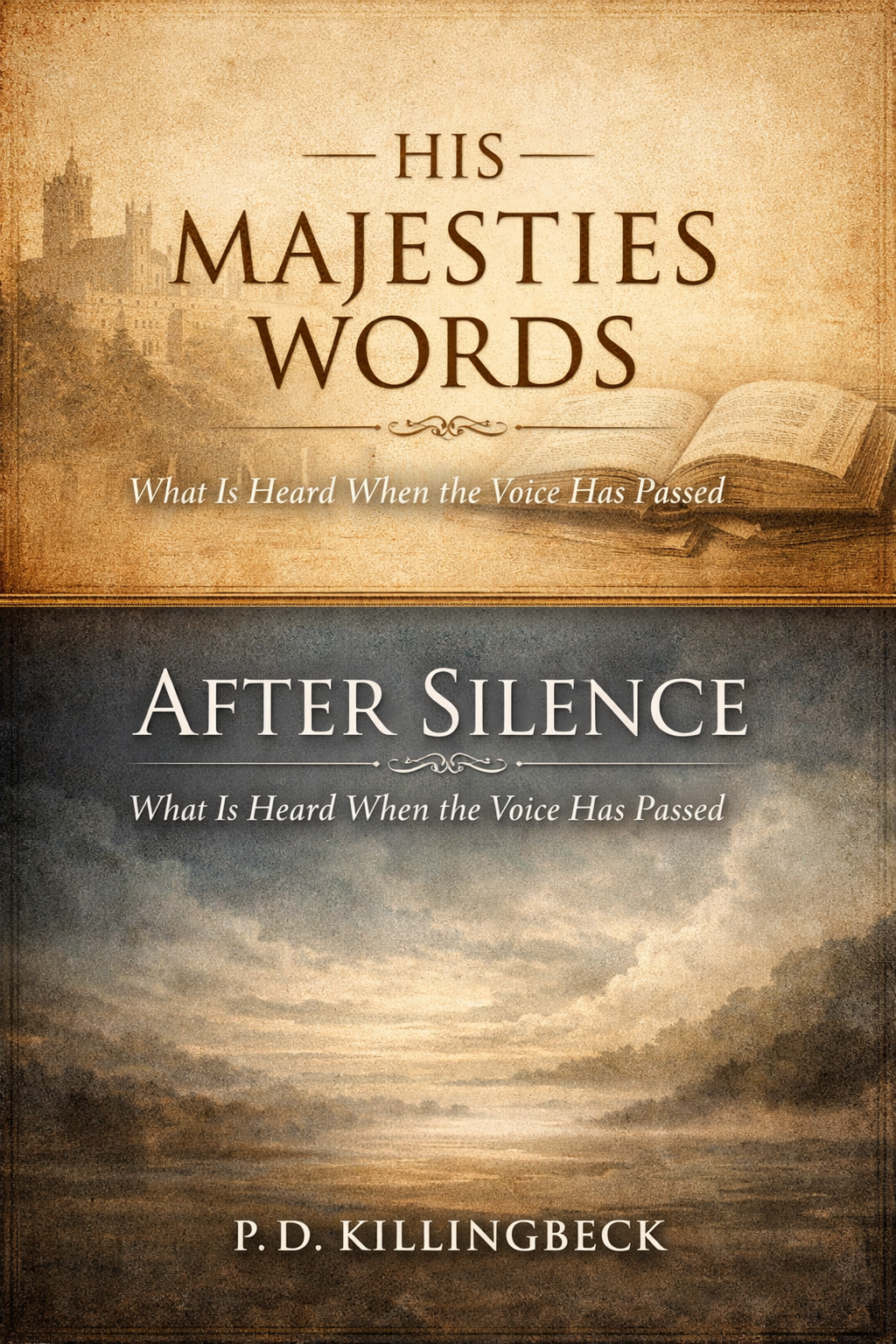
A reflective work examining authority, language, and the enduring weight of spoken and written truth. Through careful structure and measured tone, this volume considers how words shape memory, order, and continuity across generations.

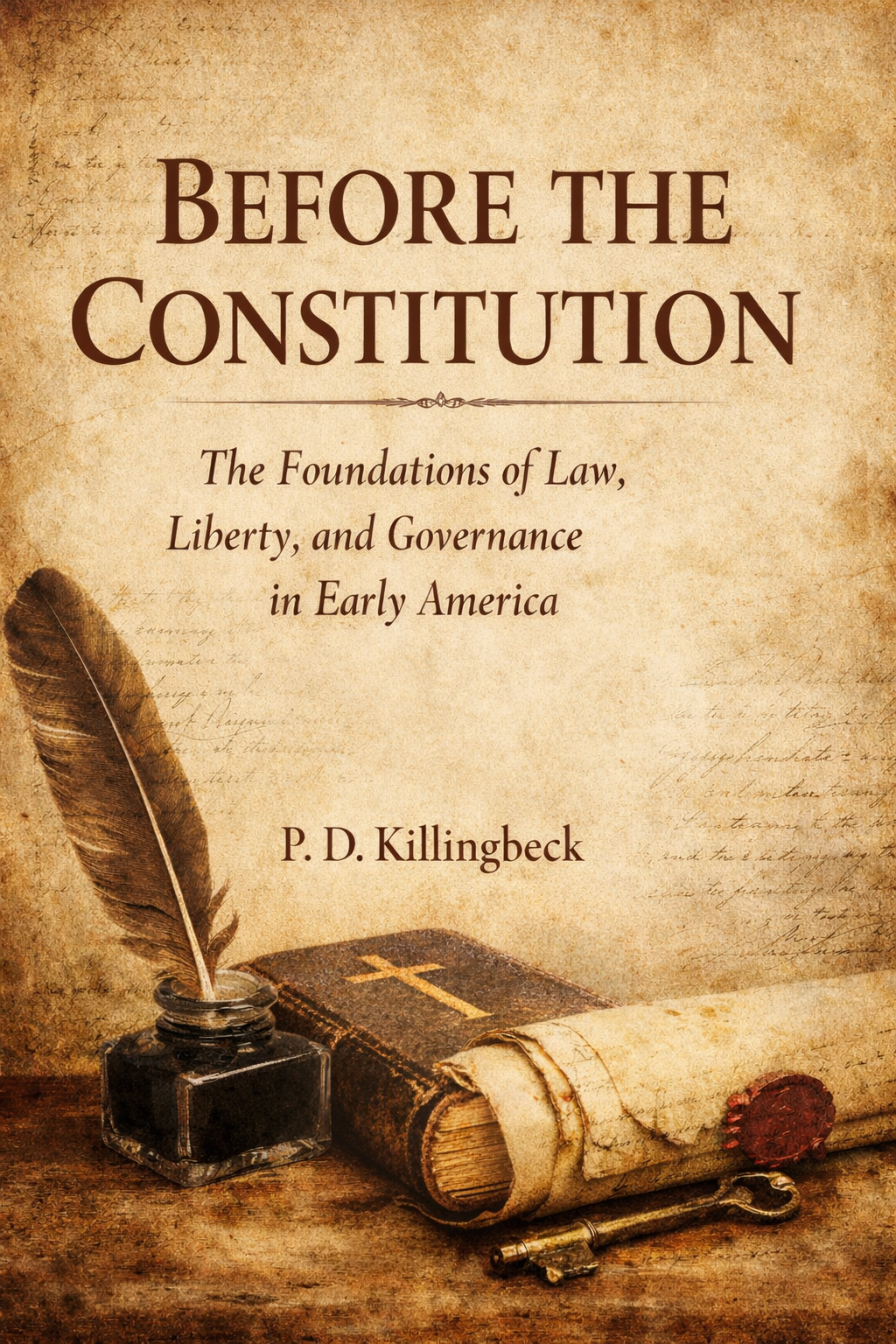
An examination of the formative forces, ideas, and conflicts that shaped the path toward constitutional order. This work reflects on authority, governance, and the enduring struggle to balance power, liberty, and structure in the early foundations of a nation.

Biblical Fiction/imaginative narrative

A contemplative narrative reflecting on origin, choice, and the turning points that shape human history. Through symbolic framing and disciplined prose, this work examines memory, responsibility, and the lasting consequences of a single moment.

Biblical Non-Fiction Focus on Truth Through Living Application

A disciplined reflection on the unity between intention, expression, and action. This work explores the moral and intellectual continuity that binds what is conceived in thought, spoken in word, and carried into deed, shaping both character and history over time.


Author P.D. Killingbeck
P.D. Killingbeck is the principal author and guiding voice behind Crown & Quill Archive, a body of written work shaped by a sustained commitment to preservation, continuity, and the disciplined pursuit of truth across time. His writings do not arise from momentary inspiration or passing interest, but from a deliberate and ongoing effort to trace the living thread that binds memory, language, authority, and human responsibility. Each volume is intended not as a solitary expression, but as a contributing part of a larger and unfolding record, one that seeks to preserve what endures and illuminate the quiet continuity carried forward through written word.
At the heart of Killingbeck’s work lies a deep regard for the role of transmission. History, in his view, is not merely a sequence of events, but a chain of entrusted memory preserved, examined, and handed forward. His historical and biblical writings move thoughtfully through questions of preservation, textual continuity, moral structure, and the shaping power of language upon civilization and conscience. Rather than offering hurried conclusions, his work invites the reader into careful reflection, encouraging a slower and more attentive engagement with ideas that have shaped generations. Through measured prose and ordered thought, his writings explore how truth is carried, how meaning is preserved, and how the written word continues to influence human understanding across centuries.
Killingbeck’s writings are marked by structural clarity and a consistent search for continuity. He approaches language not merely as expression, but as vessel a medium through which memory survives and understanding is formed. His works frequently examine the endurance of recorded truth, the weight of transmitted knowledge, and the role of disciplined thought in preserving intellectual and moral coherence across time. In this way, his writing does not seek novelty, but depth; not noise, but substance; not persuasion, but illumination.
Alongside his historical and reflective writings, Killingbeck is also known for his practical work in the development and training of the working-line German Shepherd. Here, the same principles found in his scholarly writings structure, discipline, continuity, and purposeful development are applied in tangible form. His training works emphasize balance, soundness, and long-term cultivation rather than force or haste, reflecting a philosophy grounded in stewardship and responsibility. Across both intellectual and practical fields, his writings demonstrate a unified approach: that growth, whether of mind or of living structure, must be guided by order, patience, and clear intention.
Throughout all of his work, P.D. Killingbeck writes with a steady and singular purpose: to preserve what is meaningful, to examine what endures, and to contribute thoughtfully to the living record carried forward by those who seek truth with patience, discipline, and clarity of thought. His writings invite the reader not merely to consume words, but to engage with them to consider the continuity of memory, the responsibility of understanding, and the enduring power of the written word to shape both individual conscience and collective inheritance.